
Découvrir l’île de Ré

Le camping les Salières a sélectionné pour vous des activités de qualité et vous invite à découvrir :
- Les croisières touristiques : Faites le tour du Fort Boyard, une escale à l’Ile d’Aix et/ou à La Rochelle pour revenir sur le port de Saint-Martin.
- Les balades à cheval à travers les forêts de pins ou sur la plage.
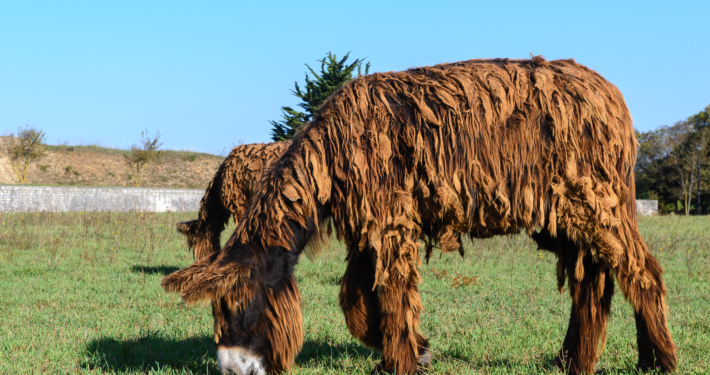
- Les ânes en culottes, mascottes de l’Ile.
- Au gré de la marée, pratiquez le sport national des Rhétais : La pêche à pied !
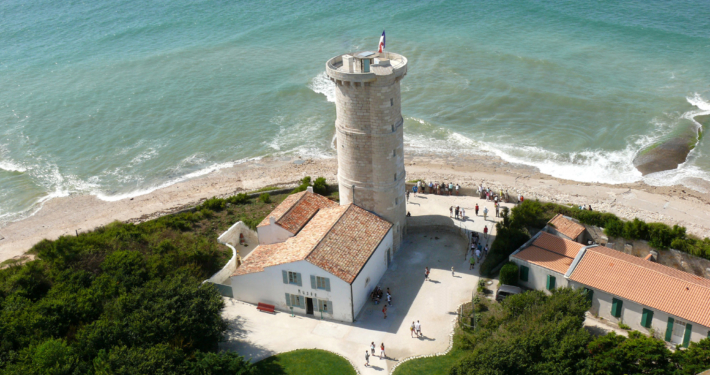
- La visite des fortifications Vauban à Saint-Martin classées au Patrimoine Mondial de l’UNESCO, la visites du Phare des baleines (classé Monument Historique), du musée Ernest Cognacq, du clocher d’Ars-en-Ré…
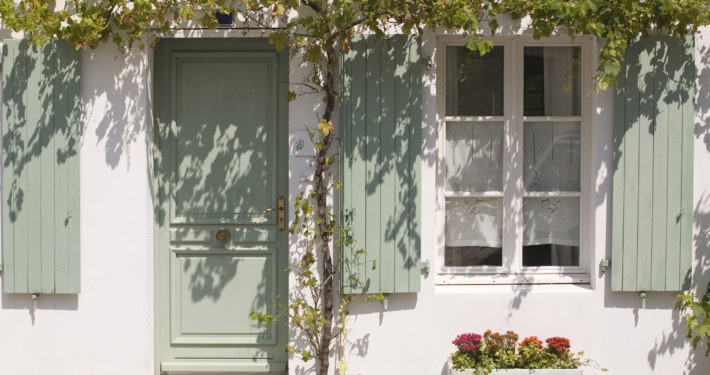
- Les balades au travers des villages typiques de Ré La Blanche, de ses marchés et de ses marais.
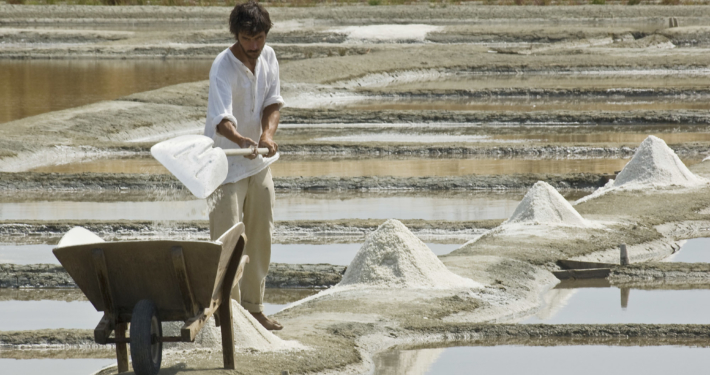
- L’artisanat local : savonnerie, miellerie, marais salants, producteurs d’algues, vignobles …
- L’Ostréiculture : de la production à la vente avec dégustation d’huîtres directement chez le producteur face à la mer.
N’hésitez pas à prendre des renseignements à l’accueil de votre camping.
Saint-Martin-de-Ré
Le Clocher de Saint-Martin
7 min à vélo
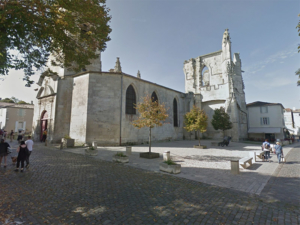
Vue exceptionnelle depuis le clocher observatoire de l’église fortifiée. L’horloge monumentale, les cloches en action et la vue sont un enchantement pour tout visiteur.
Musée Ernest Cognacq
7 min à vélo
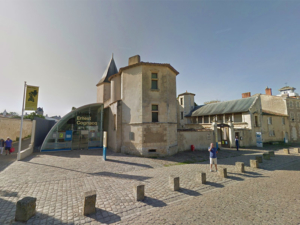
Le Musée Ernest Cognacq s’est agrandi et vous invite à découvrir sa nouvelle aile à l’architecture novatrice mais respectueuse dans l’Hôtel de Clerjotte classé Monument Historique.
Les fortifications
8 min à vélo
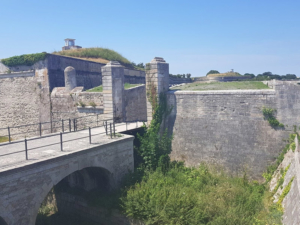
Visite des fortifications de Saint-Martin-de-Ré érigées au XVIIe siècle par Vauban pour protéger l’Ile de Ré des attaques incessantes des Anglais. Vous découvrirez les fossés, les bastions et demi-lunes.
Saint Martin en calèche
8 min à vélo
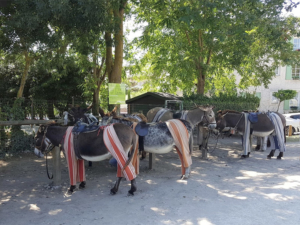
Les fortifications, la Citadelle, l’église fortifiée, le port, les vieux quartiers… Pendant une heure environ vous revivrez, au rythme des pas du cheval, les grandes heures de l’histoire de l’Ile de Ré et de Saint-Martin-de-Ré.
A proximité
Le Phare des Baleines
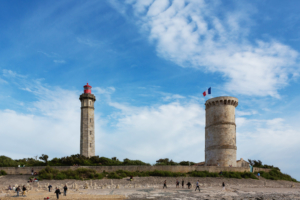
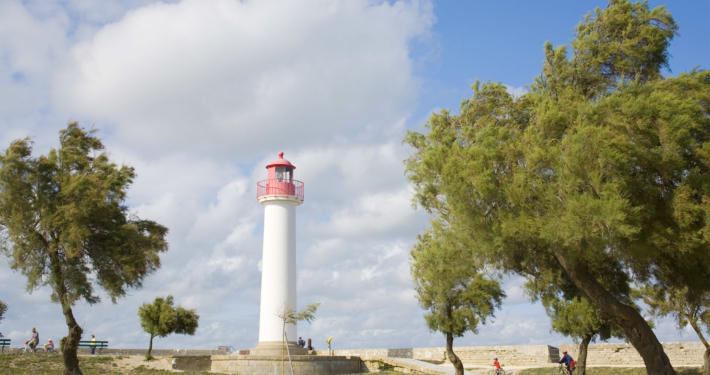
Avec ses 57 mètres, c’est l’un des plus hauts de France : 257 marches à monter pour avoir une vue exceptionnelle sur l’île et sur l’océan !
Ecomusée du Marais Salant
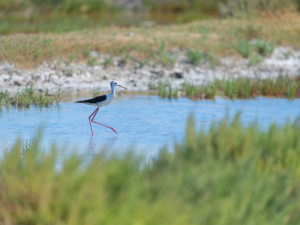
La récolte du sel demande du savoir faire. Pour approfondir votre visite de l’Ecomusée, nous vous proposons de descendre avec le saunier sur le marais. Il vous initiera au maniement des outils et vous fera découvrir son travail.
Maison du Fier
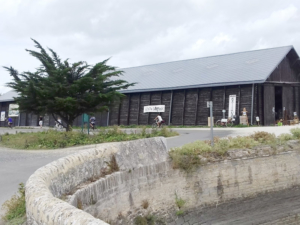
La Maison du Fier, ancien hangar à sel, présente diverses expositions sur les paysages et richesses naturelles de Ré. Des ateliers Nature sont organisés à l’intention des enfants.
Réserve Lilleau des Niges
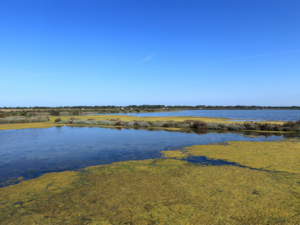
L’ampleur et la situation de ces terres mêlées d’eau ont fait de la Réserve Naturelle de Lilleau des Niges un lieu d’escale essentiel pour des milliers d’oiseaux migrateurs.
L’Ecluse de la Mouflette
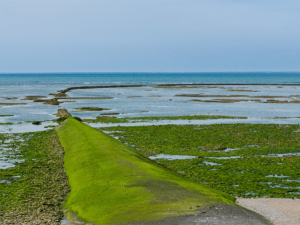
La dernière écluse qui subsiste à Saint-Clément-des-Baleines « La Moufette » ou « Moufflet », se situe entre la Côte et le Phare des Baleineaux. Elle a nécessité de nombreuses heures de réfection de la part de bénévoles après la tempête de 1999.
Le Phare de Chauveau
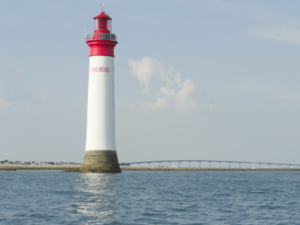
A quelques centaines de mètres de la Côte, le Phare de Chauveau est accessible à marée basse. Son plateau est bien connu des pêcheurs à pied.
Le Fort du Grouin
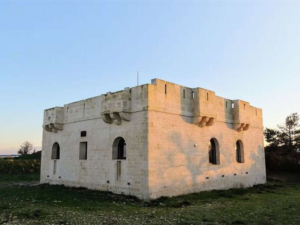
Le Fort du Grouin réalisé en 1742, a été remanié au fil du temps jusqu’à obtenir sa configuration actuelle en 1860, avec son accès unique défendu par un pont-levis. Très représentatif d’un type d’ouvrage répandu sur les côtes au 19e siècle, il demeure le seul exemplaire de l’Ile à n’avoir pas subi d’altération.
La Redoute
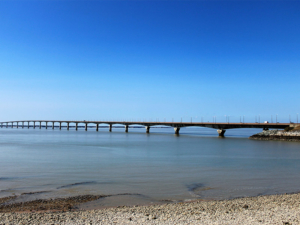
Située au début de la longue bande de sable s’avançant en direction du Continent, la Redoute de Rivedoux a été édifiée en 1673 sur une position stratégique. Carré de 45 mètres de coté précédé d’un profond fossé sec et encadré par deux épaulements, l’édifice était chargé de barrer l’isthme de Sablanceaux en reliant la plage Nord à la plage Sud.
Fort de la Prée

En 1625, Louis XIII décide de défendre l’Ile de Ré contre les anglais et les protestants et entreprend la construction du Fort avec des pierres provenant de l’Abbaye des Châteliers détruite deux ans auparavant. Lieu stratégique de défense, ce fort utilisé jusqu’en 1790 fut abandonné peu à peu. Propriété du Ministère de la Justice et partiellement restauré, il a été classé deuxième prix « Chef d’œuvre en péril » 1987.
Abbaye des Châteliers
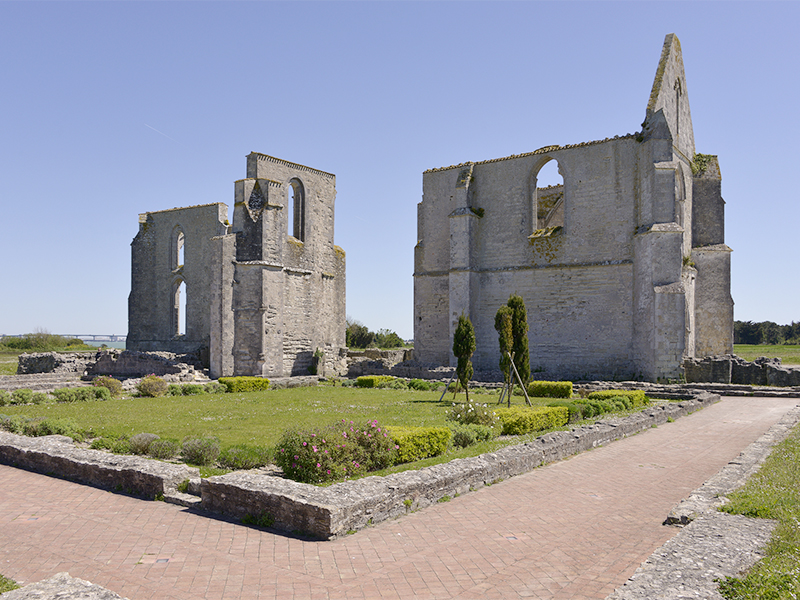
Les moines cisterciens fondèrent au XII ème siècle l’une des plus grandes abbayes du Centre-Ouest de la France. Les vestiges qui subsistent sont suffisants pour faire rêver à ses splendeurs passées…

